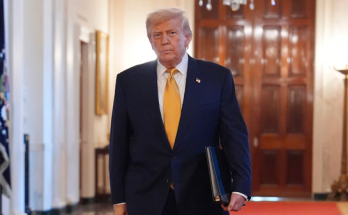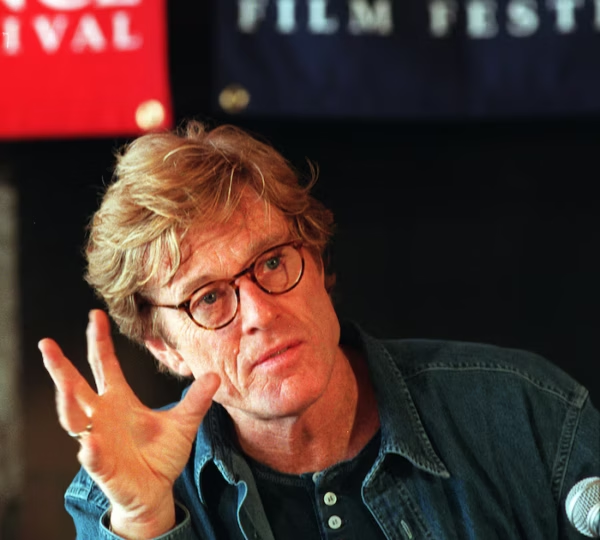
Robert Redford, the legendary Hollywood actor, director, producer, and lifelong activist, has died at the age of 89. Redford passed away on September 16, 2025.
At his home in Sundance, nestled in the mountains of Utah, according to a statement released by his longtime publicist, Cindi Berger, and shared with PEOPLE.
He was surrounded by loved ones in the place he cherished most. His family has requested privacy during this time. With a career that spanned more than six decades, Robert Redford was far more than a movie star.
He was a defining figure in American cinema, a symbol of creative independence, and a driving force behind some of the most influential films and artistic movements of the modern era.
His work, both in front of and behind the camera, helped shape Hollywood across generations, while his activism extended his influence far beyond the screen.
Born Charles Robert Redford Jr. on August 18, 1936, in Santa Monica, California, Redford grew up in a middle-class household shaped by both stability and loss.

His father worked as an accountant, and his mother, who supported his early artistic interests, died when he was still young—an event that deeply affected him and contributed to the introspective nature that would later define many of his performances.
Raised largely in Los Angeles, Redford showed early promise as an athlete and artist, earning a baseball scholarship to the University of Colorado.
That opportunity, however, was short-lived. Struggling with direction and discipline, Redford left college and embarked on a formative journey through Europe, where he studied painting and immersed himself in art, culture, and self-discovery.
Though he did not yet know it, this period would lay the groundwork for his lifelong belief in creative independence and personal expression.
Upon returning to the United States, he committed himself seriously to acting, enrolling at the American Academy of Dramatic Arts in New York City.
Redford’s early career unfolded on stage and television, where he honed his craft in live theater and dramatic anthology series during the late 1950s and early 1960s.
These formative years sharpened his instincts and gave him the discipline that would serve him throughout his career.
While he possessed classic good looks that quickly caught Hollywood’s attention, Redford consistently resisted being defined solely by his appearance.
Instead, he sought roles that offered emotional complexity, moral ambiguity, and intellectual substance.
His breakthrough came in the late 1960s, a period of major cultural transformation in the United States
. In 1969, Redford starred opposite Paul Newman in Butch Cassidy and the Sundance Kid, a film that not only cemented his status as a major star but also became a landmark of the New Hollywood era.
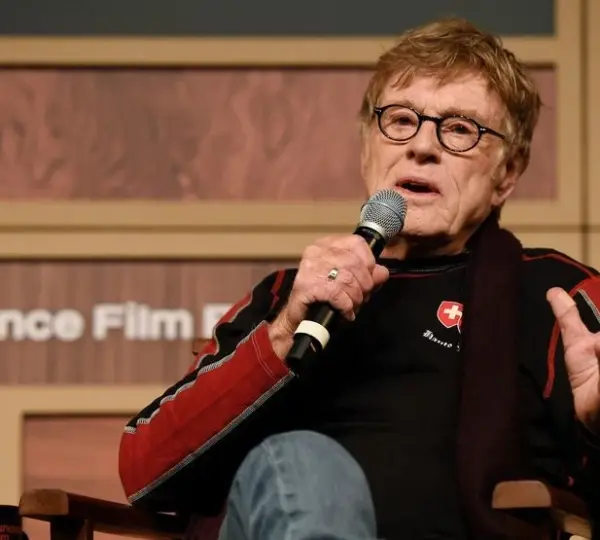
His portrayal of the charming, introspective Sundance Kid struck a chord with audiences and critics alike. The film’s success launched Redford into the upper ranks of Hollywood’s leading men and began one of cinema’s most beloved actor partnerships.
Throughout the 1970s, Redford delivered a remarkable string of performances that defined an era. In The Sting (1973), once again alongside Newman, he helped create one of the most enduring caper films in cinematic history.
That same year, he starred in The Way We Were opposite Barbra Streisand, portraying a conflicted writer navigating love and political ideals in postwar America.
The film showcased Redford’s ability to blend romantic appeal with emotional depth, further expanding his range.
The film became a defining political drama and underscored Redford’s growing interest in stories rooted in truth, accountability, and institutional power.
His performance reflected his own personal commitment to transparency, ethics, and civic responsibility.
By the 1980s, Redford had firmly established himself not only as a leading actor but also as a creative force determined to shape cinema from behind the camera.
In 1980, he made his directorial debut with Ordinary People, a deeply emotional family drama examining grief, trauma, and communication. The film was both a critical and commercial success, earning Redford the Academy Award for Best Director.
The achievement marked a turning point in his career and confirmed his reputation as a serious filmmaker with a sophisticated understanding of human psychology.
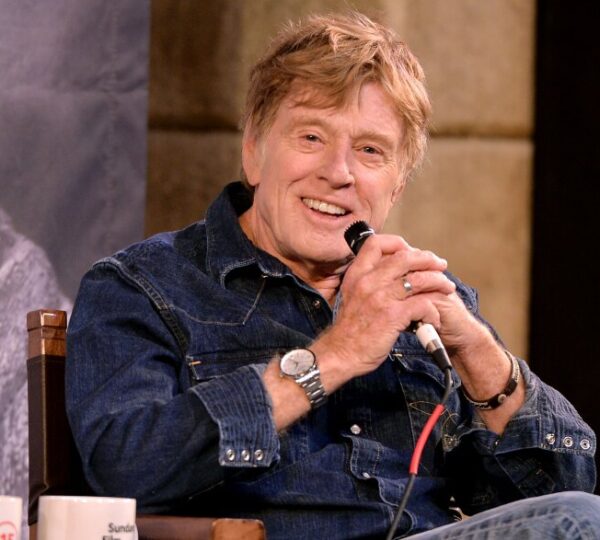
Redford’s later acting roles continued to reflect his thoughtful approach to storytelling. Films such as Out of Africa (1985), which won multiple Academy Awards, further solidified his legacy as a performer drawn to complex narratives and expansive themes.
Even as he aged, Redford remained selective, choosing projects that aligned with his values rather than chasing box-office trends.
Perhaps Redford’s most lasting contribution to the film industry came in 1981, when he founded the Sundance Institute.
Established to support independent filmmakers and storytellers, the institute became a haven for emerging voices who struggled to find opportunities within the traditional studio system.
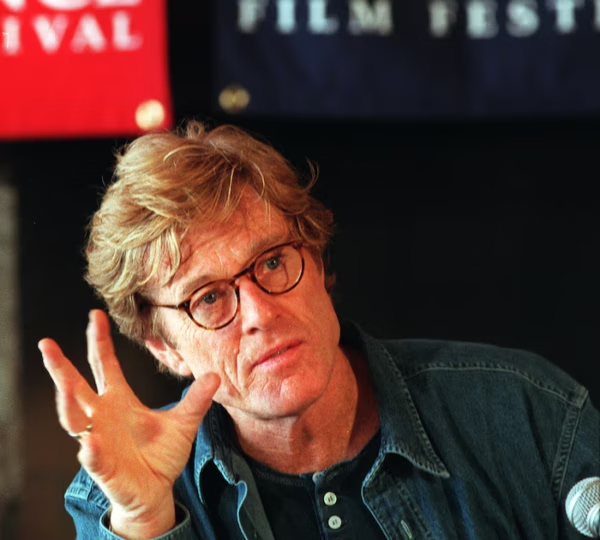
From this initiative grew the Sundance Film Festival, which evolved into one of the world’s most important platforms for independent cinema.
Through Sundance, Redford fundamentally changed how films were discovered, funded, and distributed.
Countless filmmakers launched their careers there, and the festival helped redefine what independent film could achieve both artistically and commercially.
Redford remained closely involved with Sundance throughout his life, viewing it not as a personal legacy project but as a necessary counterbalance to mainstream Hollywood.
Living in Utah for much of his life, he worked tirelessly to protect natural landscapes from exploitation.
He also supported social justice causes, Indigenous rights, and freedom of expression, often using his platform to amplify issues he believed were overlooked or ignored.
Despite his fame, Redford consistently resisted celebrity culture. He valued privacy, authenticity, and personal integrity, choosing a life rooted in nature and creativity rather than constant public exposure.
Even after stepping back from acting in his later years, he remained an influential voice in the industry and a respected figure across artistic and activist communities.
Redford received numerous honors throughout his lifetime, including an honorary Academy Award for lifetime achievement, recognizing not only his work as an actor and director but also his impact on the film industry as a whole.
Yet those who knew him often remarked that he valued his independence and principles more than accolades.
In reflecting on Robert Redford’s life, it becomes clear that his legacy extends far beyond individual performances or awards.
He represented a model of artistic responsibility—someone who believed that storytelling matters, that cinema can challenge power, and that creative freedom must be protected.
He helped redefine what it meant to be a Hollywood star, proving that success and substance need not be mutually exclusive.
As news of his passing spreads, tributes continue to emerge from filmmakers, actors, activists, and audiences around the world.
Many credit Redford with opening doors, inspiring courage, and reminding the industry of its potential to do more than entertain.
His films remain widely watched, studied, and admired, ensuring that his influence will endure for generations.
Robert Redford is survived by his family, his artistic legacy, and the countless creators whose work exists because he believed in them. Though he has taken his final bow, his presence remains deeply woven into the fabric of American cinema and cultural life.
His story is one of longevity, conviction, and quiet leadership—a reminder that true influence is built not only on fame, but on purpose, integrity, and unwavering belief in the power of art.