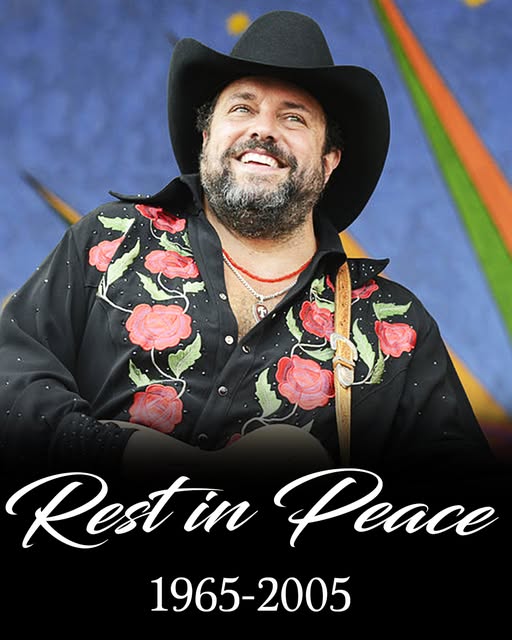
The music world is mourning today the loss of Raul Malo, the powerful and soulful frontman of The Mavericks.
According to official reports and statements from the band, Malo passed away on Monday, December 8, 2025, at the age of 60.
A journey marked by flamboyant performances, genre‑blending artistry, and deep cultural roots has come to a close. But the echoes of his voice—soaring and emotive—will continue to resonate around the world.
From Miami Roots to Global Lights — The Early Story
Raul Francisco Martínez‑Malo Jr. was born on August 7, 1965, in Miami, Florida, to Cuban immigrant parents.
Growing up in a multicultural household, he was exposed to a rich variety of musical traditions.

As he once said in a 2020 interview, “I grew up in a household where we listened to all kinds of music… it was a celebration of all these cultures.”
This early exposure shaped Malo’s musical sensibility — not limited to one style or genre, but a mosaic of influences: rock, country, Latin rhythms, surf, traditional and modern sounds.
He carried that vision with him into his music career.
In 1989, Malo co‑founded The Mavericks, along with drummer Paul Deakin and bass guitarist Robert Reynolds.
Their debut, self‑titled album was released in 1990 — marking the beginning of a long and storied career.
The Mavericks: A Band That Defied Labels
From the beginning, The Mavericks refused to be boxed in. Their music blended country, Latin, rock, surf, and swing — a bold, refreshing hybrid that resonated with fans across cultures.
By the mid‑1990s, they had become a major presence in the American country and roots music scene.
Their 1994 album What a Crying Shame went platinum in the United States, paving the way for even broader success.
Songs like All You Ever Do Is Bring Me Down — featuring accordionist Flaco Jiménez — became signature tracks, blending Latin inflections with country rhythms.
Their music spoke of heritage, melody, heart, and a fearless cross‑cultural blend.
The band’s accolades reflect their impact: across their career, The Mavericks earned a Grammy Award, multiple Country Music Association (CMA) and Academy of Country Music (ACM) awards, and widespread critical recognition.
Solo Ventures — Expanding the Canvas
Raul Malo’s creative ambitions extended beyond The Mavericks. During their first breakup (in the late 1990s), he embarked on a solo career, releasing albums like Today (2001) and others.
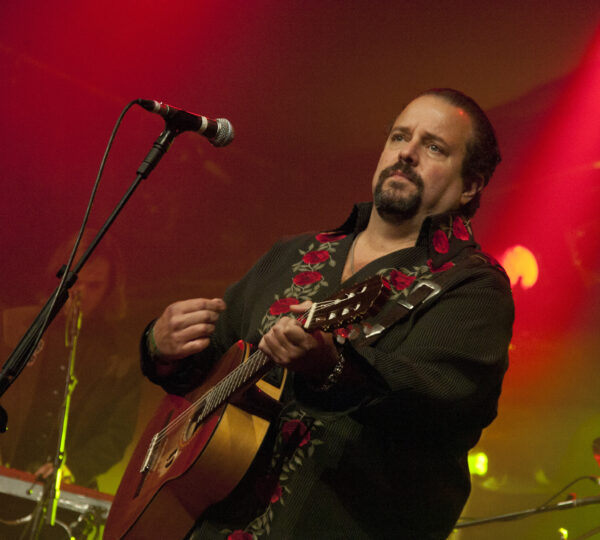
He did not abandon his roots — instead, he explored them. His solo work and collaborations broadened his repertoire and allowed him to experiment with different sounds and languages.
Malo was also part of the Latin super‑group Los Super Seven, further showcasing his versatility and multicultural influences.
Through his solo career, he continued writing, performing, and leveraging his expansive musical vocabulary — always bridging cultural and musical divides.
A Final Album — A Farewell Through Music
In 2024, The Mavericks released their 13th studio album, Moon & Stars.
That album stands as a testament to Malo’s enduring creativity and the band’s resilience, even after decades in the business.
For longtime fans, it served as both celebration and — unknowingly — a swan song. The album’s release came shortly before his health troubles would force remarkable changes.
The Battle Begins — Illness and Public Disclosure
In June 2024, Raul Malo publicly revealed he had been diagnosed with colon cancer.
From that moment on, he chose honesty and transparency — sharing updates via social media, including the challenges, the treatments, and the personal toll of illness.
Malo’s openness resonated deeply with fans and colleagues. He didn’t retreat into silence; instead, he kept communication open, letting followers into the difficult journey that lay ahead.
In September 2025, things took a turn for the worse. Malo disclosed that his cancer had progressed to a rare and serious complication:
Leptomeningeal disease (LMD), a condition in which cancer spreads to the membranes surrounding the brain and spinal cord.
The diagnosis forced the band to cancel their remaining tour dates — even as fans and fellow musicians rallied in support.

He left home in Nashville and traveled to Houston for care; throughout, he kept fans updated — with dignity, vulnerability, and the same candor that characterized his art.
Final Days — A Quiet Goodbye, A Loud Legacy
On the evening of December 8, 2025, Raul Malo passed away, his wife Betty Malo confirmed in a heartfelt post on Facebook.
Their statement captured the grief and love felt by his loved ones and bandmates:“He was called to do another gig — this time in the sky — and he’s flying high like an eagle,” Betty wrote.
“No one embodied life and love, joy and passion, family, friends, music, and adventure the way our beloved Raul did.”
The band released their own tribute, calling him a “force of human nature,” praising his “towering creative contributions” and acknowledging that his music transcended borders, cultures, and generations.
Malo is survived by his wife Betty, their three sons — Dino Malo, Victor Malo, and Max Malo — his mother Norma, sister Carol, and his longtime bandmates.
The Sound, The Style, The Soul — What Made Raul Malo Unique
What set Raul Malo apart weren’t just the notes he hit — but the soul behind them. His voice had the rare ability to move from a rich, velvety baritone to soaring, operatic heights.
His performances were magnetic: on one stage he could stir heartbreak and longing; on another, joy, dance, and uninhibited celebration.
Those who saw him live often described the effect as electrifying.
He didn’t just sing songs — he told stories: stories of heritage, of longing, of romance, heartbreak, hope.
In merging Latin rhythms with country twang, rock energy, surf vibes, and roots traditions, he created something rare and deeply personal — a sound that was authentically American in its complexity and multicultural in its roots.
Beyond the music, Malo embraced and championed multiculturalism in America — a value shaped by his upbringing and family history.
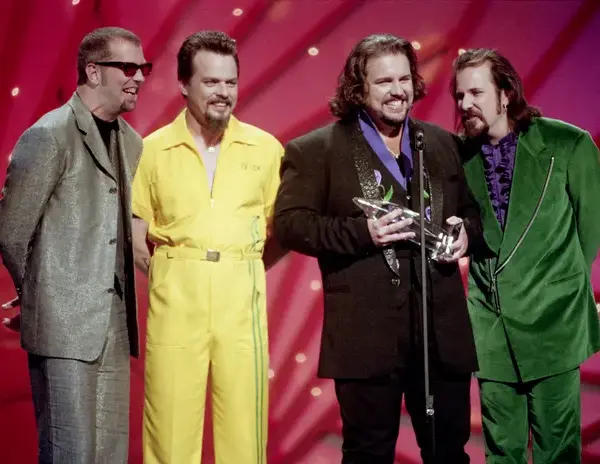
His music celebrated the blending of cultures and spoke to listeners across generations and backgrounds.
Through decades of changing musical trends, band hiatuses, reunions, solo projects, and shifting lineups, one thing remained constant:
his voice, his vision, and his dedication to preserving — and evolving — a sound that defied labels.
What Fans, Fellow Musicians, and the Industry Are Saying
News of Malo’s death triggered an outpouring of grief, memories, admiration and respect across the music world: fans, artists, and colleagues took to social media, sharing anecdotes, favorite songs, and the impact his music had on them.
Some recalled the first time they heard him sing — a voice that seemed to carry decades of emotion, passion, and raw energy.
Others shared memories of concerts, road trips, and moments in which a single song changed their mood, their day, or even their outlook on life.
Many artists paid tribute publicly, calling Raul Malo “one of the finest voices of our generation.”
His legacy won’t be measured only in awards or album sales — but in the lives he touched, the hearts he moved, the cultural bridges he helped build, and the music he left behind for future generations.
Legacy and Impact — Beyond the Charts
Redefining American Music Through Multicultural Fusion
Malo didn’t just perform music — he embodied a vision of America as a cultural crossroads.
By integrating Latino rhythms, rockabilly, country storytelling, surf vibes, and roots influences, he contributed to a more inclusive, vibrant musical landscape.
His work challenged genre boundaries and invited listeners to embrace diversity through melody.
Decades of Musical Excellence
From the early 1990s with The Mavericks to his solo work and collaborations, Malo’s career spanned more than three decades.
Over that time, he earned a Grammy, multiple Country Music Association and ACM awards, and recognition from fans and industry alike.
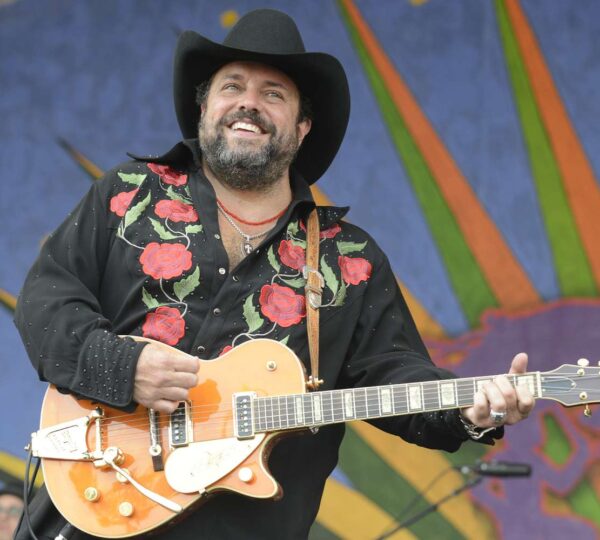
He wrote songs that became staples, and his songwriting — like “All You Ever Do Is Bring Me Down” — won a BMI songwriting award.
A Voice for Culture, Education, and Musical Diversity
Malo’s commitment went beyond concert stages. He was a vocal advocate for preserving multilingual American music heritage and for music education as a means for children — across backgrounds — to connect, express, and heal.
He believed music could bring people together; for him, it was never just entertainment — it was a bridge between cultures, generations, and hearts.
A Final Chapter Marked with Courage and Honesty
By publicly sharing his health struggles, the diagnoses, the setbacks and the hopes, Malo reminded his fans — and the world — of the fragility of life, the power of honesty, and the importance of cherishing every moment.
His final months were a testament to his strength, vulnerability, and humanity.
Remembering Raul: A Tribute in Song, Memory, and Love
As news of his passing circulates, memorial posts, tribute concerts, playlists and messages of gratitude are flooding in.
Fans old and new, across continents, are revisiting his music. Songs once heard in concert halls and radio waves are now playing in living rooms, headphones, and small gatherings — this time tinged with both sorrow and celebration.
Artists and peers are honoring him publicly. Some are performing covers; others are sharing stories of their interactions with him.
Many recall his warmth, his generosity, his talent — the way he welcomed others, inspired them, and made them believe in the power of music to connect cultures.
For listeners, his music becomes ever more precious — a reminder that through hardship and joy, through identity and change, art lasts.
Final Thoughts — The End of an Era, The Start of a Legacy
Raul Malo’s passing closes a chapter in music history that few could have written so uniquely.
But his story — of immigrant roots, cultural fusion, fearless creativity, love for music, and deep humanity — continues.
In a time when genres are often crowded into boxes, he refused to be boxed in. In a world where voices can be fleeting, he sang with power, heart, and soul.
In a life that ended too soon, he lived with intensity, passion and — even in sickness — dignity and transparency.
His voice may now rest, but his songs will carry on. His impact will ripple through generations of artists and listeners.
His legacy — of multicultural music, fearless artistry, and compassion — will endure.
Because legends don’t die when they stop breathing — they live on when people remember, listen, and share.
Rest in peace, Raul Malo. Thank you for the music, the heart, and the memories.